Blue Mountains City Council Arborist Reports
Blue Mountains DA, tree removal or tree safety concern? Get a council-ready arborist report.
Get the arborist documentation you need for a Development Application, tree removal or safety concern anywhere across the Blue Mountains, prepared to meet Council requirements and keep your application or project moving.
- Development Applications
- Health and Safety Tree Assessments
- Tree Removal Reports
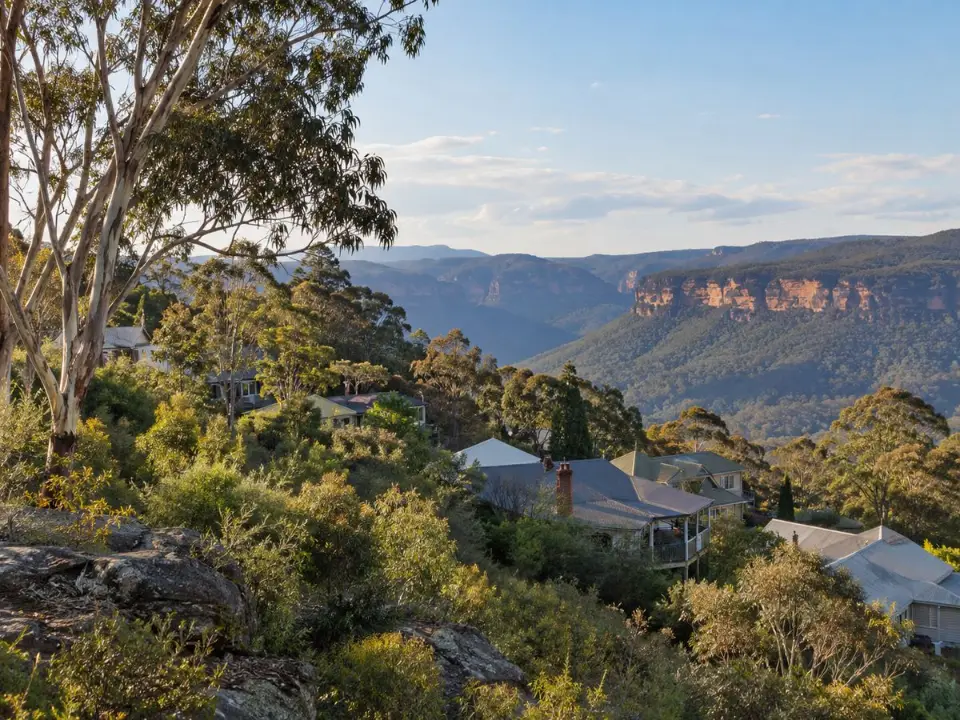
Expert Arborist Reports Across Blue Mountains City Council
Glenbrook, Blaxland, Springwood, Katoomba, Blackheath and every other locality across the Blue Mountains.
The Blue Mountains combine established villages, bushfire-prone bushland interfaces and extensive native vegetation across one of the largest and most environmentally significant council areas in NSW. Bushfire protection works, heritage projects and construction near retained trees mean DA arborist reports are commonly required alongside tree removal and safety assessments.
Our council-ready reports support Development Applications, tree removal, health and safety assessments and construction projects involving retained trees, prepared by AQF Level 5 consulting arborists with 32+ years of experience.
Which Arborist Report Do You Need?
Blue Mountains City Council Wards We Service
Blue Mountains City Council is divided into four wards - Ward 1, Ward 2, Ward 3 and Ward 4. Select your ward below for local information about AQF Level 5 Arborist Reports, Development Applications, tree removal assessments and construction near protected trees. Ward boundary note: Properties near ward boundaries, particularly around Faulconbridge, Valley Heights and Warrimoo, should be checked against Council's current ward map. Contact us with the property address if confirmation is required.
Ward 1: Upper Blue Mountains
Upper Mountains villages, mature native vegetation and extensive bushland interfaces. Established mountain villages, bushfire-prone land, heritage properties and extensive native vegetation can require careful assessment of tree retention, removal and construction impacts.
- Katoomba
- Leura
- Blackheath
- Medlow Bath
- Mount Victoria
- Bell
- Megalong Valley
- Mount Wilson
- Mount Tomah
- Mount Irvine
Ward 2: Wentworth Falls & Mid Mountains
Mid Mountains residential areas surrounded by established vegetation and bushland. Residential development and construction within established vegetation can create close interactions between proposed works, protected trees, root systems and bushfire-management requirements.
- Wentworth Falls
- Bullaburra
- Lawson
- Hazelbrook
- Woodford
- Linden
Ward 3: Springwood & Winmalee
Established residential areas with mature canopy and strong bushland interfaces. Tree assessment in Ward 3 commonly involves established residential properties, mature native trees, bushland interfaces and construction close to retained trees.
- Springwood
- Faulconbridge
- Valley Heights
- Winmalee
- Yellow Rock
- Sun Valley
Ward 4: Lower Blue Mountains
Lower Mountains communities with established trees, sloping sites and bushland interfaces. Development and tree management can involve mature native trees, sloping residential sites, bushland interfaces and construction within or near Tree Protection Zones.
- Blaxland
- Glenbrook
- Warrimoo
- Mount Riverview
- Lapstone
Our Blue Mountains Arborist Services
DA Arborist Reports (AIA)
Prepared for Development Applications, assessing tree condition, retention potential and construction impacts in accordance with AS 4970 where applicable.
DA arborist reportsHealth and Safety Tree Assessments
Prepared using recognised tree risk assessment methodologies for trees showing decay, structural defects or dieback, providing defensible documentation for insurers, property managers and Council.
Tree health and risk assessmentTree Removal and Pruning Reports
Supporting standalone permit applications to remove or prune hazardous, dead, dying or structurally unsound trees requiring Council approval.
Tree removal reportsDevelopment Compliance and Project Arborist Services
Following Development Consent, our AQF Level 5 project arborists help satisfy Council conditions throughout demolition and construction, including:
- Tree Management Plans (TMPs), where required by consent
- Tree Protection Plans (TPPs)
- Tree Protection Zone (TPZ) and Structural Root Zone (SRZ) assessments
- Tree protection specifications
- Construction monitoring and compliance inspections
- Project arborist inspections and final compliance certification
These services protect retained trees while supporting compliance with Development Consent conditions and construction requirements.
Why Choose Arbor Express in the Blue Mountains?
- AQF Level 5 consulting arborists
- 32+ years of arboricultural consulting experience
- Reports prepared in accordance with AS 4970 using recognised assessment methodologies
- Development Application, health and safety and tree removal specialists
- Fast-track reporting for urgent projects
- Local knowledge of Blue Mountains City Council planning requirements
Need a Report Quickly?
Fast-track reporting is available for urgent Development Application deadlines. Call us to discuss your timeframe.
0494 077 630Localities We Service Across Blue Mountains City Council
Lower Blue Mountains
Established residential suburbs with bushland reserves adjoining the Blue Mountains National Park. Home extensions, bushfire protection works and Development Applications commonly require arborist reports, Tree Protection Plans and tree management advice.
- Lapstone
- Glenbrook
- Blaxland
- Mount Riverview
- Warrimoo
- Sun Valley
Mid Mountains
Established villages, large residential lots and significant native canopy, where development near retained trees, tree removal applications and health and safety assessments are frequently required.
- Valley Heights
- Springwood
- Faulconbridge
- Linden
- Woodford
- Hazelbrook
- Lawson
Upper Mountains
Heritage homes, tourism precincts, steep topography and extensive native vegetation. Development Applications, heritage projects and construction near protected trees commonly require council-ready arborist reports and development compliance services.
- Bullaburra
- Wentworth Falls
- Leura
- Katoomba
- Medlow Bath
- Blackheath
- Mount Victoria
Western Blue Mountains
Rural-residential properties, bushland, conservation areas and large landholdings, where tree risk assessments, vegetation management and arboricultural reports are often required for development, access works and bushfire-related projects.
- Megalong Valley
- Bell
- Mount Wilson
- Mount Irvine
- Clarence
- Dargan
Blue Mountains Tree Preservation Rules
Most trees and native vegetation in the Blue Mountains are protected under the Blue Mountains Local Environmental Plan, Development Control Plan Part C5 (Tree and Vegetation Preservation) and the State Environmental Planning Policy (Biodiversity and Conservation) 2021. Council approval is generally required before ringbarking, cutting down, topping, lopping, pruning, removing, injuring or wilfully destroying protected trees or vegetation.
Blue Mountains City Council: Trees and Vegetation on Private Land
- Council approval: a permit is generally required to remove or prune a tree 4 metres or more in height and/or with a crown spread greater than 4 metres, to remove or prune a mallee-form Eucalyptus of any size, or to clear natural or regenerating locally indigenous vegetation.
- Applications: most tree removal and major pruning on private land requires a Tree Removal Application. Where removal forms part of a Development Application, it is generally assessed within the DA.
- Complying Development: unlike many councils, a Complying Development Certificate does not exempt tree or vegetation clearing. A Council permit is still generally required.
- Exemptions: include certain listed weed species, removal of a dead or dying tree that poses a risk to life or property and isn't required as native fauna habitat, and clearing that complies with the 10/50 Vegetation Clearing Code where eligible. Keep evidence supporting exempt removals.
- Bushland and heritage: additional controls apply to environmentally sensitive land, bushland, heritage items, Heritage Conservation Areas, land containing an Aboriginal object or place of heritage significance, and vegetation protected under biodiversity legislation.
- Need help? We can determine whether your project requires a Tree Permit, Development Application or arborist report and prepare council-ready documentation.
Blue Mountains Arborist Report FAQs
Very few trees are exempt in the Blue Mountains. Exemptions are generally limited to listed weeds, removal of a dead or dying tree that poses a risk and isn't required as native fauna habitat, and clearing that complies with the 10/50 Vegetation Clearing Code where the land is eligible. We can confirm exemption status before you proceed.
Fast-track reporting is available for urgent and hazardous tree assessments, subject to availability.
In most cases, yes. A permit is generally required to remove or prune a tree 4 metres or more in height and/or with a crown spread greater than 4 metres, to remove or prune a mallee-form Eucalyptus of any size, or to clear natural or regenerating native vegetation.
No. Unlike many councils, a Complying Development Certificate does not exempt tree or vegetation clearing in the Blue Mountains. A separate Council permit is still generally required.
Yes. Removing trees or clearing vegetation within a Heritage Conservation Area, on a heritage-listed property, or on land containing an Aboriginal object or place of heritage significance requires a Council permit regardless of the tree's size.
Yes. We prepare DA arborist reports at design stage, Tree Protection Plans after approval, and project arborist inspections through construction for residential and rural-residential projects across the Blue Mountains.
Yes. CDC projects affecting trees in the Blue Mountains still require an arboricultural assessment demonstrating compliance with AS 4970 and the relevant planning controls, given Council's stricter vegetation protection framework.
What Our Clients Say
Need an Arborist Report in the Blue Mountains?
Talk to an AQF Level 5 consulting arborist about your Blue Mountains property or project. Wondering about cost? See our arborist report prices.