
Level 5 Arborist Reports for Development: Canberra Tree Compliance Guide
Understanding tree compliance requirements in Canberra.
In Canberra, development involving trees is assessed under the Urban Forest Act 2023 (ACT) and associated planning processes. Where development may impact protected trees, a Tree Management Plan (TMP) and supporting arborist documentation are typically required.
- Urban Forest Act 2023 (ACT)
- Tree Management Plans
- Development compliance
- Fast-track reports available
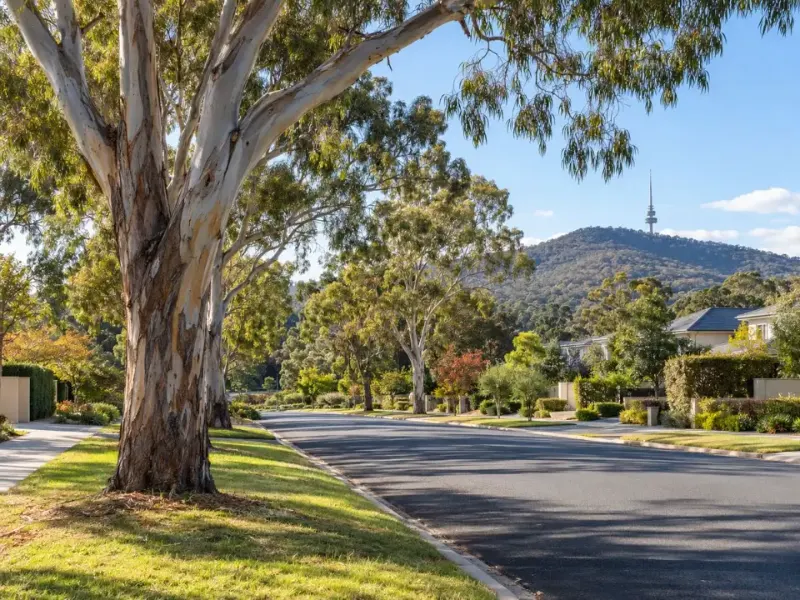
Local Level 5 Arborists: Canberra Experience That Gets Approvals
These documents outline how construction can proceed while protecting trees across private, neighbouring and public land.
This guide is prepared by Arbor Express, AQF Level 5 consulting arborists with 32+ years of experience in Canberra and surrounding areas. We guide property owners, builders and designers through development tree compliance, identifying constraints early and avoiding delays.
Already know you need a report? Development arborist reports in Canberra
Do I Need a Tree Report for Development in Canberra?
You may need an arborist report if your development impacts or is near protected trees. Failure to address these elements properly can result in RFIs, redesign, delays or refusal.
Approval Is Generally Required For Development That
- Occurs near protected trees
- Impacts trees on private or public land
- Involves works within a tree's surrounding area
Tree Compliance Layers to Address Together
- Tree protection laws under the Urban Forest Act 2023 (ACT)
- Tree Management Plans (TMP)
- Arborist reports and tree surveys
- Development and building application requirements
- Landscape planning and canopy outcomes
- Construction-stage tree protection
Checking Tree Protection Status
Before planning development, confirm whether trees are protected using ACT Government mapping tools such as ACTmapi. Our arborists help identify protected trees early to avoid approval issues later.
ACTmapi Helps Identify
- Trees on public land (verges and streets)
- Registered trees
- Trees on or near your site
Trees on Public Land (Nature Strips)
Trees on verges or nature strips are on public land and always protected. They aren't part of your lease and can't be pruned, removed or modified without approval.
Development works affecting these trees must be assessed and approved as part of the planning process.
Tree Management Plans (TMP) in Canberra
We prepare TMPs outlining how trees will be managed and protected during development. TMP requirements are assessed as part of development, building or tree activity applications.
When Is a TMP Required?
Typically where development may impact a protected tree or its surrounding area, including:
- Trees on public land (verges and streets)
- Registered trees
- Trees on or near your site
What Does a TMP Cover?
- Site access and traffic movement
- Demolition and construction works
- Scaffolding, hoarding and equipment
- Utility installation and services
- Storage, loading zones and site setup
It defines how development can proceed while minimising damage to trees.
Planning a Development with Trees in Canberra
Trees must be considered as part of the overall site design, not as a separate issue. Many delays occur when tree constraints are identified too late.
Site Planning Includes
- Identifying protected trees on site and neighbouring land
- Assessing development impact early
- Integrating tree protection into design
- Determining documentation requirements
Landscape Plans and Trees
A landscape plan may be required alongside arborist documentation, and the two are often assessed together. It considers:
- Type of development
- Surface treatments and site layout
- Planting design and vegetation
- Water efficiency measures
Tree Protection Zones and Impact Assessment
The tree protection zone is the area around a tree where activities may cause damage. Works within it may require approval. Arborist reports provide the technical basis for assessment.
Protection Area Is Generally Based On
- The canopy area of the tree
- A surrounding buffer area
- AS 4970 TPZ and SRZ calculations
- Site-specific arborist assessment
ACT Authorities Typically Consider
- Tree classification (protected or registered)
- Tree health, condition and structure
- Ecological significance
- Location relative to proposed works
- Feasibility of retention
- Proposed protection measures
Need Advice on Tree Removal?
Tree removal in Canberra is subject to specific protection requirements and approval pathways. Learn when approval may be required and how a Level 5 arborist can help.
Development Tree Compliance Process
Early arborist involvement helps streamline this process and avoid delays.
- 1Identify protected trees (ACTmapi)
- 2Engage a Level 5 arborist
- 3Prepare arborist report and tree survey
- 4Assess development impact
- 5Prepare Tree Management Plan (TMP)
- 6Submit development or tree activity application
- 7Approval with conditions
- 8Construction with tree protection measures
- 9Final inspection and compliance
Reports, Canopy Contributions and Tree Bonds
What a development report includes, and the obligations that can follow approval.
A Development Arborist Report Includes
- Tree survey (species, size and condition)
- Tree health and structural assessment
- TPZ and SRZ calculations
- Development impact analysis
- Recommendations for retention, protection and removal (where justified)
Canopy Contribution Requirements
Where a protected tree is approved for removal, requirements determined during approval may include:
- Replacement planting
- Financial contribution
Tree Bonds in Development
A tree bond is a financial security to help ensure protected trees are not damaged during development. If trees are damaged, part or all of the bond may be withheld.
Compliance, Penalties and Choosing an Arborist
Always confirm tree protection status before starting work.
Unauthorised Work May Result In
- Fines and penalties
- Stop work orders
- Requirements for remediation
Choosing the Right Arborist
Use a qualified arborist experienced in development reporting and tree risk assessment, including:
- Tree biology and structural assessment
- Development impact analysis
- Tree protection methodology
- Council compliance and reporting
Areas We Service Across Canberra
Canberra Districts
We service all suburbs within these districts and surrounding areas across the ACT.
- Belconnen
- Gungahlin
- Inner North
- Inner South
- Molonglo Valley
- Tuggeranong
- Weston Creek
- Woden Valley
Related Services
Nearby Areas We Service
What Our Clients Say
Request Your Arborist Report in Canberra
Clear, practical advice and fast-track Level 5 arborist reports for development across Canberra.