
Sydney Development Application & Tree Assessment Guide
How Are Trees Assessed During a Development Application in Sydney?
Whether you're planning a new home, extension, duplex, townhouse, apartment development or commercial project, understanding how councils assess existing trees early in the design process can help reduce delays and avoid costly redesigns.
- AQF Level 5 Consulting Arborists
- Prepared in accordance with AS 4970
- Fast-track service available
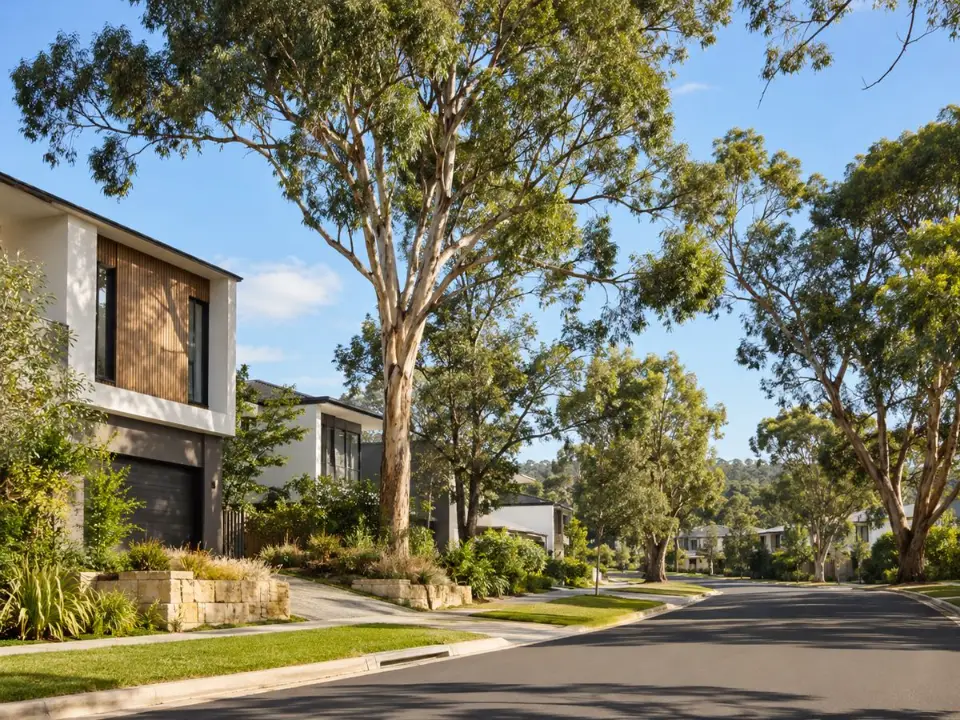
Planning a Development Application in Sydney With Existing Trees on Site?
Trees can have a significant influence on the design, assessment and approval of a Development Application. Sydney councils generally assess whether existing trees can be retained, how proposed construction may affect them and whether appropriate protection measures have been incorporated into the design.
Although every Sydney council has its own planning controls, Tree Preservation Orders and Development Control Plans, the assessment principles used across Sydney are broadly similar.
Not sure which report your project needs? See our Tree Reports Sydney guide. For the full compliance picture from council permits through to construction sign-off, see Tree Compliance Services NSW.
How Sydney Councils Assess Development Applications Involving Trees
When assessing a Development Application involving existing trees, councils commonly consider the items listed.
Each council applies these principles through its own Development Control Plan (DCP), Local Environmental Plan (LEP) and Tree Preservation controls.
- The health and structural condition of existing trees
- The contribution trees make to the local streetscape and neighbourhood character
- Whether significant trees can reasonably be retained
- Tree Protection Zones (TPZ) and Structural Root Zones (SRZ)
- Excavation within root zones
- Proposed building setbacks
- Retaining walls and changes to finished ground levels
- Underground services
- Proposed construction methods
- Long-term tree health and stability
- Local planning controls
- Biodiversity and habitat values where applicable
Tree Retention Is Considered Before Tree Removal
Where significant trees are affected by a proposed development, councils commonly consider whether reasonable design alternatives can retain those trees before supporting removal, such as adjusting building footprints, relocating driveways, modifying retaining walls, rerouting underground services or revising site layouts.
Where tree removal is proposed, councils generally expect clear arboricultural justification supported by an appropriate Arborist Report.
When Is an Arborist Report Usually Required?
An Arborist Report is commonly required in the situations listed.
Requirements vary between councils and depend on the scope of the proposed development.
- Development impacts existing trees
- Construction enters a Tree Protection Zone
- Significant trees are proposed for removal
- Excavation occurs near retained trees
- Council requires arboricultural information to assess the proposal
- Council requests independent arboricultural advice
What Arboricultural Information Does Council Need?
The arboricultural information required depends on the trees affected, the proposed development and the stage of the application. Council may need information showing the items listed.
A DA Tree Impact Assessment is commonly used to bring this information together for a proposed development. Not sure which report applies to your project? See our Tree Reports Sydney guide.
- Which trees are proposed for retention or removal
- Tree health, condition and retention value
- Tree Protection Zones and Structural Root Zones
- The extent of proposed development encroachment
- Excavation and construction impacts
- Whether affected trees can remain viable
- Measures required to protect retained trees
Common Reasons Development Applications Experience Delays
Many planning delays occur because tree issues are identified after architectural drawings have already been completed. Common causes include buildings located within Tree Protection Zones, inadequate tree protection measures, unsupported tree removal requests, missing Arborist Reports, and excavation impacts not assessed.
Obtaining arboricultural advice early can reduce redesign and help address tree constraints before a Development Application is lodged.
Why Early Arboricultural Advice Matters
Consulting an AQF Level 5 Arborist during the concept design stage allows potential tree constraints to be identified before detailed plans are finalised.
If plans are still at concept stage, a Preliminary Arboricultural Assessment can identify significant tree constraints before the building footprint, access, services and excavation are fixed.
Early collaboration between the consulting arborist, architect and planner often leads to a smoother approval process. Once your Development Application is approved, compliance obligations continue through construction.
AS 4970 and Development Applications
AS 4970 provides the recognised framework for protecting trees on development sites and is commonly referenced in arboricultural assessment, tree-protection planning and council development requirements.
Sydney Council Tree Requirements
Tree preservation controls, Development Control Plans and arborist reporting requirements vary between Sydney councils.
Our Sydney location guides explain the tree requirements applying within individual council areas, including local tree controls, Development Application requirements and relevant arborist reporting considerations.
Frequently Asked Questions
No. An Arborist Report is generally required where a proposal is likely to affect existing trees, for example where construction encroaches on a Tree Protection Zone, tree removal is proposed, or excavation occurs near retained trees.
Not automatically. Councils commonly expect applicants to first demonstrate that reasonable design alternatives have been explored to retain significant trees. Where removal is proposed, councils generally expect clear arboricultural justification.
A Tree Protection Zone (TPZ) is the area around a tree calculated under AS 4970 to help assess and manage development impacts. A Structural Root Zone (SRZ) is the smaller area needed for the tree's structural stability.
AS 4970 provides a technical framework for assessing and protecting trees on development sites, including Tree Protection Zones, Structural Root Zones and protection measures during construction.
Ideally at concept design stage, before your architect finalises a layout. Identifying tree constraints early is generally far cheaper than redesigning around them later.
Tree preservation controls, Development Control Plans and Arborist Report requirements differ across Sydney councils. Browse our Sydney council guides to find the rules that apply to your local government area.
Need Advice Before Lodging Your Development Application?
Arbor Express prepares AQF Level 5 Arborist Reports throughout Sydney, including DA Tree Impact Assessments, Tree Protection Plans and Project Arborist Services.
If you're unsure which Arborist Report your project requires, contact our team before lodging your Development Application. We'll review your proposal and recommend the appropriate report.
What Our Clients Say
Need Advice Before Lodging Your Development Application?
Arbor Express prepares AQF Level 5 Arborist Reports throughout Sydney. If you're unsure which report your project requires, contact us before lodging and we'll recommend the appropriate report.