
DA Arborist Reports and Development Approval Guide: Maitland
Expert arborist reports for Development Applications throughout Maitland.
Planning a development where trees are present can create approval delays, redesign costs and Requests for Information (RFIs) if arboricultural constraints are identified too late.
- Arboricultural Impact Assessments
- Tree Management Plans
- Project arborist services
- Fast-track reporting available
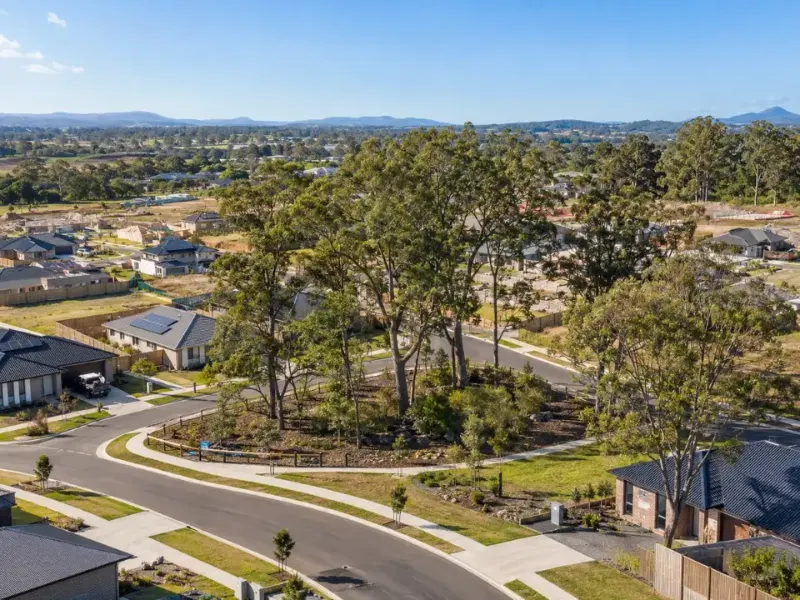
Expert Arborist Reports for Development Applications
Whether you're building a new dwelling, undertaking a subdivision, constructing a secondary dwelling, installing a pool or preparing a commercial development, existing trees can influence site design, approval pathways and construction methods.
Our local AQF Level 5 arborists help property owners, builders, architects and developers identify tree constraints early and prepare the documentation needed to support DAs throughout Maitland and the Hunter Valley.
With 32+ years of experience and fast-track reporting available, we provide practical guidance from concept design through to DA approval and construction compliance.
Do I Need an Arborist Report for My Development?
Arboricultural documentation is commonly required where development may impact existing trees, or where retained trees need protection during construction.
You May Need a Report If Your Project
- Includes a new dwelling where trees are on or near the site
- Includes a pool, extension, shed or secondary dwelling near existing trees
- Needs excavation, retaining walls, driveways or services within a Tree Protection Zone (TPZ)
- Involves residential or commercial subdivision
- Includes demolition near retained trees
- Involves commercial, industrial or mixed-use development where significant vegetation exists
- Requires tree removal as part of a Development Application
- Is in a Heritage Conservation Area or affects a Heritage Item
Why Engage an Arborist Early?
A common cause of DA delays is discovering tree constraints after architectural plans are complete. Early input can help:
- Identify trees suitable for retention before design is finalised
- Reduce redesign costs and consultant variations
- Improve DA approval outcomes
- Avoid unnecessary Requests for Information (RFIs)
- Minimise construction conflicts with retained trees
- Streamline Council assessment
- Assist with Heritage Conservation Area requirements
For many projects, arboricultural advice during concept design is significantly more cost-effective than redesigning after lodgement.
What Arboricultural Documents Might Be Required?
Depending on the project scale, site constraints and existing vegetation, Maitland City Council may require one or more of these documents to support a Development Application.
Arboricultural Impact Assessment (AIA)
The primary report for assessing the impact of a proposed development on existing trees and whether retention is feasible.
The AIA identifies all trees on and adjoining the site, assesses their condition and retention value, defines Tree Protection Zones (TPZs) and Structural Root Zones (SRZs), and recommends retention, protection or removal. For most developments involving trees, it forms the foundation of the DA documentation.
Tree Management Plan (TMP)
Sets out how retained trees will be protected before, during and after construction. Commonly a condition of consent, it gives contractors practical guidance. A typical TMP includes:
- Tree protection fencing
- Tree Protection Zones (TPZs)
- Root protection measures
- Arborist inspection requirements
- Site management procedures during construction
Tree Protection Plans and TPZ/SRZ Mapping
Identifies the protection measures needed for retained trees throughout construction.
Plans include TPZ and SRZ calculations prepared in accordance with AS 4970 Protection of Trees on Development Sites, and are typically submitted with the architectural drawings as part of the DA package.
Root Investigation Reports
Needed where excavation, footings, retaining walls or underground services are proposed close to retained trees.
Using AirSpade technology, roots are exposed without unnecessary damage, so designers can make informed decisions before construction. Root investigations often reduce redesign costs and help retain significant trees that might otherwise be removed.
Project Arborist Services
Many developments need an AQF Level 5 project arborist to monitor construction around retained trees, keeping the project compliant with the approved TMP and consent. Services commonly include:
- Pre-construction inspections
- Tree Protection Zone establishment
- Construction monitoring
- Compliance inspections
- Final certification
Heritage and Development Types
Maitland contains numerous Heritage Conservation Areas and Heritage Items protected under the Maitland LEP 2011, where Council must consider both arboricultural impacts and heritage significance.
Heritage Applications Often Require
- More detailed arboricultural assessment
- Stronger justification for tree removal
- Protection strategies for retained trees
- Ongoing arboricultural involvement during construction
Early consultation with an AQF Level 5 arborist can help avoid unnecessary approval delays.
Developments We Support
- New dwellings, dual occupancies and secondary dwellings
- Residential subdivisions
- Commercial, industrial and mixed-use developments
- Schools and educational facilities
- Community buildings
- Infrastructure projects
Each report is prepared for the proposed development and the applicable Council planning controls.
What's Included in a DA Arborist Report?
Our reports support DAs lodged through the NSW Planning Portal and are tailored to Maitland City Council requirements. They typically include:
Assessment
- Full tree survey: species, height, trunk diameter, canopy spread and condition
- Visual Tree Assessment (VTA)
- Retention value assessment
- Tree Protection Zone (TPZ) calculations
- Structural Root Zone (SRZ) calculations
- Arboricultural Impact Assessment
Recommendations and Documentation
- Tree retention and removal recommendations
- Tree Management Plan (where required)
- Tree Protection Plan
- Root investigation recommendations where appropriate
- Photographic record
- Arborist qualifications and report certification
Why Builders, Architects and Developers Choose Arbor Express
- AQF Level 5 consulting arborists
- 32+ years of experience
- AS 4970 compliant reports
- Heritage Conservation Area experience
- Fast-track reporting available
- Project arborist services
- NSW Planning Portal experience
- Council-ready documentation
Need a Report Quickly?
Fast-track reporting is available for urgent Development Application deadlines. Call us to discuss your timeframe.
0494 077 630Development Arborist Reports Across the Maitland LGA
Maitland LGA
We prepare development arborist reports throughout the Maitland Local Government Area and surrounding Hunter Valley communities.
- Aberglasslyn
- Anambah
- Beresfield
- Black Hill
- Bolwarra
- East Maitland
- Gillieston Heights
- Horseshoe Bend
- Largs
- Lochinvar
- Lorn
- Maitland
- Metford
- Morpeth
- Oakhampton
- Rutherford
- Tenambit
- Thornton
- Wallalong
- Woodberry
Development Approval Process in Maitland
Most developments involving trees follow a similar pathway. Early arboricultural involvement often reduces redesign costs, consultant variations and assessment delays.
- 1Preliminary site design: identify tree locations relative to the development before plans are finalised.
- 2Tree inspection: an AQF Level 5 arborist inspects all trees on and adjacent to the site.
- 3Arboricultural Impact Assessment: identifies tree constraints, TPZs, SRZs and retention recommendations.
- 4Tree protection planning: Tree Protection Plans and Tree Management Plans are prepared where required.
- 5DA lodgement: lodged through the NSW Planning Portal with all arboricultural documentation.
- 6Council assessment: Maitland City Council may request further arboricultural information.
- 7Development consent: conditions for retained trees, protection fencing and project arborist inspections are issued.
- 8Construction monitoring: our project arborist monitors works for compliance with tree protection measures.
- 9Final compliance: final inspections and compliance reporting under the conditions of consent.
Our Services in Maitland
Nearby Areas We Service
Maitland DA Arborist Report FAQs
No. However, where trees may be affected by construction, excavation, services or removal, Maitland City Council commonly requires arboricultural documentation. Identifying constraints early reduces redesign costs, consultant variations and RFIs.
An AIA evaluates the likely impact of a proposed development on existing trees. It identifies trees on and adjoining the site, assesses condition and retention value, calculates TPZs and SRZs, and recommends retention, protection or removal.
A TMP explains how retained trees will be protected before, during and after construction, commonly including Tree Protection Zones, protection fencing, root protection measures, construction controls and arborist inspection requirements.
A TPZ is the area around a tree containing enough roots and soil volume to maintain the tree's health and stability during development. TPZs are calculated in accordance with AS 4970.
Yes. Developments involving Heritage Conservation Areas or Heritage Items often need more detailed assessment, because Council considers both heritage significance and tree management outcomes.
Most reports are completed within several business days of the site inspection. Fast-track reporting is available where timeframes are critical, so contact us early if your DA has strict deadlines.
As early as possible. Engaging an AQF Level 5 arborist before plans are finalised identifies tree constraints early, reducing the likelihood of redesign costs and DA delays.
A project arborist provides ongoing arboricultural involvement through construction: pre-construction inspections, TPZ establishment, construction monitoring, compliance inspections and final compliance reporting. These are commonly required where retained trees are protected under consent conditions.
What Our Clients Say
Book Your DA Arborist Report in Maitland
We prepare arboricultural documentation supporting Development Applications throughout the Maitland LGA. Contact us today to arrange your inspection.